Gikas Roofing NJ: Trusted Roofing Solutions For Essex County Homes And Businesses

A roof in Essex County has to do more than just look good from the street. It has to stand up to freeze-thaw cycles, summer humidity, heavy rain, occasional coastal storm impacts, and the wear that comes with older New Jersey homes and mixed-use commercial buildings. That’s a big ask, especially in a region where one block might have a century-old colonial with multiple dormers and the next has a flat-roof retail property managing rooftop equipment and drainage issues.
Learn more: Gikas Roofing New Jersey
At Gikas Roofing NJ, we approach roofing with that local reality in mind. We know that property owners here don’t need vague promises or one-size-fits-all recommendations. They need a roofing partner that understands Northern New Jersey construction, weather patterns, permitting expectations, and the difference between a short-term patch and a durable solution.
In this guide, we’ll walk through what makes a roofing project successful in Essex County, from inspection and staging to repairs, replacements, materials, and warranties. We’ll also cover how to prepare for work at your property and how to choose a roofer in NJ with real staying power. Whether you own a historic home, a multifamily building, or a commercial property, the goal is the same: protect the structure underneath with work that’s thorough, practical, and built to last.
Why Property Owners In Essex County Need A Roofing Partner That Understands Northern New Jersey
Essex County roofing isn’t generic roofing. The local building stock is older, denser, and more varied than what you find in many suburban markets. In towns across the county, we see steep-slope roofs, additions layered onto original structures, aging flashing details, and drainage setups that have been modified over decades. That means roofing decisions can’t be based on surface appearance alone.
A contractor who understands Northern New Jersey knows how local weather, aging materials, ventilation patterns, and architectural quirks interact. That matters because the visible leak is often not the full problem. Water may enter in one area and travel before showing up indoors. And on older homes especially, roof work often intersects with soffits, fascia, chimneys, skylights, masonry, and attic airflow.
For commercial owners, the same local knowledge matters in different ways. Flat and low-slope roofs face ponding water, seam stress, and equipment-related penetrations. Occupied buildings also need careful scheduling and safe work practices. In both residential and commercial settings, the best results come from understanding the building as a system, not just replacing shingles or patching a membrane.
Roofing Challenges Older Homes And Complex Rooflines Create
Older homes in Essex County often have character. They also tend to have roofing complexity hidden behind that character. We regularly see intersecting roof planes, valleys, dormers, chimneys, bay projections, and transitions between old and newer additions. Every one of those features creates a point where water management has to be precise.
Complex rooflines increase the number of flashing details and cut materials required. They also make poor workmanship show up faster. A roof may look finished from the ground, yet fail early around valleys, sidewalls, or chimney saddles if the details weren’t executed correctly. On older structures, underlying wood condition can be another wildcard. You don’t always know what’s beneath the surface until inspection or tear-off begins.
That’s why we don’t treat older homes like standard production roofs. They need a tailored plan, not a rushed estimate. Matching materials, preserving curb appeal, and solving hidden vulnerability points are all part of the job.
Read more: 7 Signs You Need a New Roof
How Seasonal Storms, Snow, Wind, And Moisture Affect Roof Performance
Northern New Jersey weather puts roofing materials through repeated stress cycles. Winter snow loads and ice can test flashing and drainage. Spring and summer bring wind-driven rain, humidity, and storms that expose weak shingles, aging sealants, and vulnerable roof penetrations. Then fall debris can clog gutters and trap moisture exactly where roofs need to drain cleanly.
The freeze-thaw cycle is especially tough. Small cracks or compromised seams can widen as trapped moisture expands and contracts. Wind doesn’t just remove shingles, it can lift edges, loosen fasteners, and create pathways for future leaks. And moisture problems don’t always arrive dramatically. Sometimes roof failure starts quietly, with slow saturation in insulation, decking, or wall intersections.
A good roofing strategy in Essex County accounts for all of that. It means choosing materials suited to local exposure, checking ventilation and drainage, and addressing small issues before they become interior damage, mold risk, or structural rot.
What Sets A Thorough Roofing Process Apart From A Quick Fix
A lot of roofing problems can be made less visible fast. That doesn’t mean they’ve been solved. The difference between a thorough roofing process and a quick fix usually comes down to diagnosis, planning, and execution. We’ve seen many roofs where someone sealed the symptom but missed the source, especially around flashing details, penetrations, low-slope transitions, and ventilation-related moisture issues.
At Gikas Roofing NJ, we believe the process matters because roofing is not just a product installation. It’s a protective system. If the inspection is rushed, the estimate is vague, and the staging plan is improvised, the odds of callbacks and premature issues go up. On the other hand, when the work is clearly scoped and sequenced, property owners get better durability, fewer surprises, and more confidence in the result.
That level of thoroughness is especially important for occupied properties. Families still need to live in their homes. Businesses still need to operate. A good contractor respects that by planning access, debris control, timing, and communication before work starts, not halfway through.
The Value Of Detailed Inspections Before Any Roofing Work Begins
Detailed inspections are where better roofing outcomes begin. We use inspections to identify visible wear, but also to understand why the roof is aging the way it is. That can include shingle condition, membrane seams, flashing integrity, soft decking, ventilation imbalance, drainage issues, previous repair history, and signs of moisture intrusion inside the attic or upper structure.
Without that level of review, recommendations can be misleading. A roof that looks replaceable may actually be a strong repair candidate if the issue is isolated. And a roof that seems patchable from the ground may have widespread hidden deterioration. Thorough inspections help us give property owners options based on evidence, not guesswork.
Read more: AREAS WE SERVE
They also create a better project scope. When we know where the real vulnerabilities are, we can explain the work clearly, plan materials accurately, and reduce the chance of costly mid-project surprises.
How Flexible Project Staging Helps Occupied Homes And Commercial Properties
Roofing projects affect daily life. There’s noise, access control, deliveries, debris handling, and weather timing to manage. Flexible project staging makes that manageable. Instead of treating every property the same, we tailor the workflow to the site, the building use, and the owner’s priorities.
For homeowners, that may mean coordinating driveway access, protecting landscaping, and sequencing work to reduce disruption around family routines. For commercial properties, staging can involve keeping entrances clear, maintaining safe pedestrian paths, working around tenant hours, or scheduling sections to support ongoing operations.
This is one of those things people don’t always ask about up front, but they notice immediately when it’s missing. Thoughtful staging protects not just the roof, but the property experience during the project. And in busy Essex County neighborhoods or active commercial sites, that can make a huge difference.
Residential Roofing Services Designed For Long-Term Protection
Residential roofing should do two things at once: protect the home structurally and make sense for the way the house is built. In Essex County, that often means looking beyond shingle color or curb appeal and focusing on the full system, underlayment, flashing, ventilation, drainage, edge details, and decking condition.
We work on roofs across a wide range of home styles, from older houses with architectural complexity to more straightforward modern structures. The right residential roofing solution depends on age, slope, exposure, prior repairs, attic conditions, and budget. Sometimes a targeted repair extends the service life in a smart, cost-effective way. Other times, a full replacement is the better investment because repeated leak events have already started to compromise the structure below.
Long-term protection also depends on compatibility. New materials have to work with the home’s roof geometry and existing components. Improper ventilation, for example, can shorten roof life even if the shingles themselves are high quality. Faulty flashing can do the same.
That’s why we approach residential roofing as a customized service rather than a catalog purchase. Homeowners need durability, but they also need clarity: what’s failing, why it’s failing, and what solution will protect the home for the next stretch of real New Jersey weather.
Read more: Bergen County Roofing Roofer
Commercial Roofing Solutions For Durability, Safety, And Minimal Disruption
Commercial roofing has a different set of stakes. The roof protects inventory, equipment, tenants, staff, and business continuity, not just the building envelope. And because many commercial properties use flat or low-slope systems, failure points often center on drainage, seams, penetrations, flashing transitions, and rooftop traffic rather than the issues seen on steep residential roofs.
We approach commercial roofing with durability and disruption control in mind. That means evaluating how the roof handles water, where it’s vulnerable, and how the work can be completed safely around active operations. A retail center, office property, warehouse, or mixed-use building each has different access needs and risk points. Rooftop HVAC units, service paths, and occupied spaces below all influence the roofing strategy.
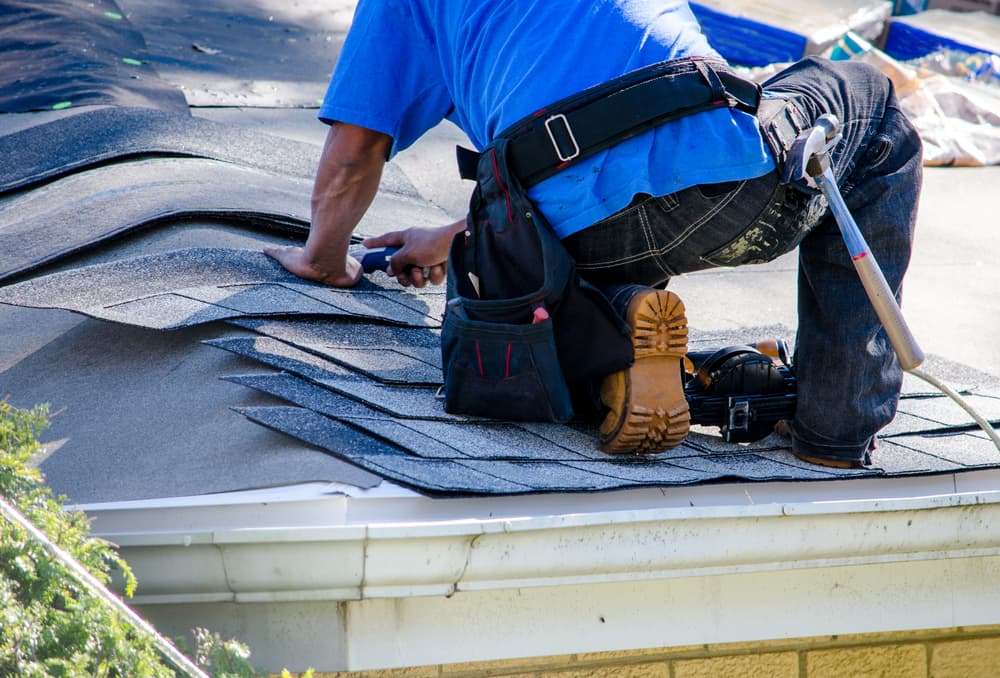
Safety is non-negotiable. So is communication. Property managers and owners need to know what will happen, when it will happen, and how we’ll protect the site during the process. Minimal disruption doesn’t happen by luck: it comes from planning, staging, and experienced execution.
Whether the project is a repair program, a targeted restoration, or a full commercial roof replacement, the objective is the same: extend performance, reduce leak risk, and support the building’s day-to-day function without unnecessary downtime.
Roof Repair Vs Roof Replacement: How To Choose The Right Option
One of the most common questions we hear is simple: should we repair the roof or replace it? The honest answer depends on condition, age, extent of damage, and cost efficiency over time. A repair makes sense when the problem is localized and the surrounding roof system is still fundamentally sound. That might include isolated storm damage, limited flashing failure, or a specific leak source on a roof with meaningful remaining life.
Replacement becomes the better option when issues are widespread or recurring. If leaks keep appearing in new areas, shingles are failing across large sections, decking is compromised, or the system is near the end of its service life, repeated repairs can turn into a more expensive path. We’ve seen property owners spend years chasing one leak after another when a properly timed replacement would have protected the building better and cost less in the long run.
We guide this decision through inspection findings, not pressure. A good recommendation should account for current budget, future plans for the property, urgency, and how much confidence you can reasonably have in the roof after the proposed work. In many cases, the right choice isn’t the cheapest number today, it’s the option that prevents avoidable damage, repeated disruption, and uncertainty through the next several seasons.
What To Expect From Materials, Workmanship, And Written Guarantees
Roofing proposals can look similar on the surface while being very different in substance. Materials matter, of course, but workmanship and written guarantees matter just as much. A strong roof system depends on the quality of each layer and on how carefully those layers are installed in real field conditions.
Read more: BLOG
Property owners should expect clear information about the materials being used, including product type, intended application, and how those materials fit the roof’s slope and exposure. They should also expect transparency about flashing replacement, underlayment, ventilation components, and any substrate repairs if they become necessary. If a proposal is vague about the supporting details, that’s a red flag.
Workmanship is where durability is won or lost. Proper nailing patterns, seam handling, transitions, edge detailing, and penetration flashing don’t sound glamorous, but they’re the parts of the roof that often determine whether it performs well five years from now.
Written guarantees add accountability. At Gikas Roofing NJ, we emphasize written guaranteed results because homeowners and commercial owners deserve clarity, not verbal assurances that disappear later. A written warranty or guarantee should explain what is covered, for how long, and under what conditions. Good roofing companies don’t shy away from putting expectations in writing, they welcome it.
How To Prepare For A Roofing Project And Protect Your Property
Preparation makes roofing day smoother, safer, and less stressful. Before work begins, it helps to clear vehicles from the driveway, move fragile items away from walls and upper shelves, and secure outdoor furniture, grills, potted plants, or decorations near the work zone. Roofing creates vibration. Things inside the house can shift a little more than people expect.
Outside, tree branches that interfere with access may need trimming, and property owners should identify any sensitive landscaping or site features they want the crew to be especially aware of. For commercial buildings, preparation can include notifying tenants, adjusting loading areas, and planning around customer or employee traffic.
We also recommend discussing power access, gate codes, parking logistics, and debris protection before the project starts. The more those details are handled up front, the better the experience tends to be.
Protecting the property is a shared goal. We plan for site control and work-area management, but owners can help by creating a little space around the structure and making sure people, pets, and vehicles stay clear of active work zones. It’s not complicated, but it does matter.
How To Choose The Right Roofer In NJ For Quality And Peace Of Mind
Choosing a roofer in NJ isn’t just about comparing price. It’s about deciding who you trust to protect a major asset. The right contractor should be able to explain the problem clearly, document the condition of the roof, outline the recommended solution, and answer practical questions without dodging them.
Read more: Bloomfield Roofing Roofer
We suggest looking for experience with Northern New Jersey properties specifically. Older homes, tight neighborhoods, mixed-use buildings, and weather exposure all create conditions that not every roofing company handles equally well. Local familiarity matters. So does professionalism: written proposals, defined scopes, realistic timelines, and a willingness to discuss materials and guarantees in plain English.
It also helps to review the company’s site and service information. For example, at Gikas Roofing NJ, we focus on thorough pre-project inspections, flexible staging, and guaranteed written results, because quality roofing starts well before the first shingle is removed.
Eventually, peace of mind comes from consistency. You want a roofer that treats diagnosis seriously, respects your property, communicates well, and stands behind the work after the trucks leave. That combination is worth far more than a suspiciously low estimate.
Conclusion
In Essex County, roofing decisions are rarely simple, and that’s exactly why they should be made carefully. Older homes, commercial buildings, harsh seasonal shifts, and complex roof designs all demand more than a fast patch or a generic proposal. They demand a contractor who understands how Northern New Jersey buildings actually perform over time.
At Gikas Roofing NJ, we believe good roofing starts with careful inspection, honest recommendations, and a process built around long-term protection. Whether you’re weighing a repair, planning a replacement, or trying to minimize disruption at an occupied property, the right approach is the one grounded in real conditions, not guesswork.
If you’re looking for a roofer in Essex County who values thoroughness, flexibility, and written accountability, that standard should guide every conversation. A roof is too important to leave to shortcuts. Done right, it protects your property, your budget, and your peace of mind for years to come.
Key Takeaways
- Gikas Roofing NJ specializes in roofing solutions tailored to Essex County’s unique older homes and diverse commercial buildings, ensuring durability against local weather challenges.
- Thorough inspections are critical at Gikas Roofing NJ to diagnose underlying issues, allowing for accurate repair or replacement recommendations based on real conditions.
- Flexible project staging helps minimize disruptions for occupied residential and commercial properties, preserving daily life and business operations during roofing work.
- Gikas Roofing NJ prioritizes quality workmanship, transparent materials use, and written guarantees to ensure long-lasting roof performance and customer peace of mind.
- Choosing a roofer in NJ with local expertise and honest communication, like Gikas Roofing NJ, is essential to protect your property and investment effectively.
- Repair or replacement decisions at Gikas Roofing NJ are guided by detailed assessments focusing on cost efficiency, urgency, and long-term protection rather than quick fixes.
Frequently Asked Questions about Gikas Roofing NJ
What makes roofing in Essex County different from other areas?
Roofing in Essex County must handle older, denser building stock with complex rooflines and local weather challenges like freeze-thaw cycles, humidity, and coastal storms. A tailored approach is needed to address architectural quirks, drainage, ventilation, and aging materials for durable results.
How does Gikas Roofing NJ approach roofing projects?
Gikas Roofing NJ emphasizes thorough inspections, flexible project staging, and customized solutions based on Northern New Jersey’s unique building and weather conditions. They focus on clear communication, minimizing disruption, and delivering durable roofing systems backed by written guarantees.
When should I choose roof repair versus roof replacement?
Roof repair fits localized issues when the rest of the roof is sound, such as limited storm damage or flashing failure. Replacement is better if damage is widespread, leaks keep recurring, shingles fail broadly, or structural elements are compromised to ensure long-term protection and cost efficiency.
What preparation is needed before a roofing project?
Before roofing work begins, property owners should clear driveways, secure fragile items indoors, protect outdoor furniture, trim interfering branches, and coordinate details like power access and parking. Proper preparation helps ensure a safer, smoother project with minimal disruption.
Why is local Northern New Jersey knowledge important for choosing a roofer?
Local expertise ensures understanding of Essex County’s older homes, mixed-use buildings, weather patterns, and permitting. A roofer with regional experience can provide accurate diagnostics, appropriate materials, effective ventilation and drainage solutions, resulting in longer-lasting roofs that withstand local conditions.
How does Gikas Roofing NJ minimize disruption during commercial roofing projects?
They use flexible staging tailored to each site’s operational needs, maintaining safe pedestrian paths, scheduling work around tenant hours, controlling debris, and planning access carefully. This approach supports business continuity while ensuring safety and quality roofing work.
Read More:
- iodio.gr
- ANT1 FM: Πώς Διαλέγει τις Ειδήσεις που Αξίζουν – ΙΩΔΙΟ
- AR, VR και Spatial Marketing στο Digital Marketing: Πώς οι Immersive Εμπειρίες Αλλάζουν το Buyer Journey – ΙΩΔΙΟ
- SEO Consultant Iteration: Πώς να Βελτιώνετε Συνεχώς το Site σας – ΙΩΔΙΟ
- Κατασκευή Ιστοσελίδας για HVAC: Πώς να Φέρετε Πελάτες για Service Κλιματιστικών και Θέρμανσης – ΙΩΔΙΟ
- Συμβουλές SEO Iteration: Πώς να Βελτιώνετε Συνεχώς το Site σας – ΙΩΔΙΟ