How To Get Roofing Leads Online: 10 Proven Channels To Win More Jobs
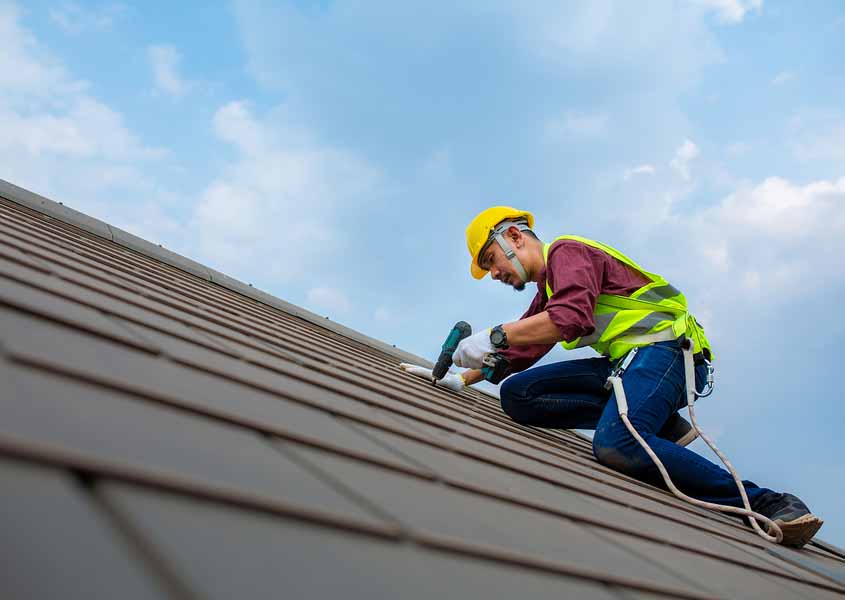
Getting more roofing leads online isn’t really about being everywhere. It’s about showing up in the right places when homeowners are stressed, comparing bids, or ready to book. Today, that usually means one thing: if your company is hard to find, slow to contact, or light on trust signals, somebody else gets the job.
We’ve seen this pattern across local service businesses again and again. The roofers who win online don’t just have a decent website and a few reviews. They build a lead system: local SEO for long-term visibility, paid ads for immediate demand, social proof that lowers hesitation, and follow-up that keeps good prospects from slipping away.
At Divramis, our roofers SEO team has spent over a decade helping roofing companies, contractors, and local home-service businesses climb Google’s rankings with white-hat strategies, transparent reporting, and measurable lead growth.
Below, we’ll walk through the channels that actually matter if you want to learn how to get roofing leads online, without relying on random tactics or guesswork. Some generate demand fast. Others compound over time. Together, they create a steadier pipeline and better ROI.
Build A Website That Turns Visitors Into Roofing Leads
Your website has one job: turn attention into action. If a homeowner clicks through from Google, Facebook, or a referral and can’t quickly figure out what you do, where you work, and how to contact you, that visit is wasted.
A high-converting roofing website should be mobile-first, fast, and friction-free. Most prospects are searching from their phones, often in a hurry. So we want clear click-to-call buttons, short quote forms, visible financing or insurance help if you offer it, and trust markers above the fold. Think licenses, certifications, warranty info, review snippets, and photos of real projects.
Instant estimators can help too. Tools like online roof measurement or quote request widgets give price-shopping visitors a reason to engage instead of bouncing. Even if the estimate is rough, it opens the conversation 24/7.
Good websites also answer basic buying questions before a sales call. Do you handle roof repair, replacement, storm damage, gutters? What areas do you serve? How fast can you inspect? The more uncertainty we remove, the more leads we convert.
Create Service Pages For Every Roofing Job And Location You Target
One generic “Services” page won’t cut it. If you want better rankings and more qualified inquiries, build dedicated pages for each core service and each major city or service area.
That means separate pages for roof repair, roof replacement, emergency tarping, storm damage inspection, metal roofing, shingle roofing, and commercial roofing if relevant. Then pair that with local intent: “roof repair in Plano,” “roof replacement in Naperville,” and so on.
These pages shouldn’t be copy-paste clones with a city name swapped in. Add local references, project examples, common roofing issues in that market, and a strong call to action. Use clear headers, internal links, and FAQs homeowners in that area are likely to search.
Done right, these pages help with both SEO and conversions. They match search intent closely, which means better visibility for local terms and better lead quality once visitors land.
Rank Higher In Local Search With Roofing SEO Basics
If we’re serious about how to get roofing leads online, local SEO has to be part of the plan. It’s one of the few channels that can keep producing leads long after the work is done.
Read more: How AI automation is changing SEO for service businesses
At the foundation, local roofing SEO is pretty simple: align your website and business presence with the terms homeowners actually search. That includes phrases like “roofer near me,” “roof leak repair,” “roof replacement cost,” and city-specific combinations.
Start with on-page basics. Put your primary service and location in title tags, H1s, meta descriptions, and body copy where it makes sense. Keep your contact info consistent across your website and business listings. Make sure the site loads fast and works well on mobile devices.
Then build supporting content around homeowner questions. Blog posts like “Does hail damage always require roof replacement?” or “How long does an asphalt shingle roof last in Texas?” can capture early-stage traffic and build authority. Not every visitor will convert on day one, but good content keeps your brand in the consideration set.
And don’t ignore internal linking. Point blog posts to service pages, service pages to location pages, and all of them to quote forms. SEO traffic is only valuable if it can move toward a lead.
Optimize Your Google Business Profile For Calls And Quote Requests
Your Google Business Profile may drive more calls than your homepage. For many roofers, it’s the first thing a homeowner sees in the map pack, especially on mobile.
Complete every field. Use an accurate business category, service areas, hours, phone number, website URL, and business description that naturally includes roofing keywords. Upload high-quality before-and-after photos, team photos, trucks, and completed projects. Fresh visuals matter.
Reviews are a ranking factor and a conversion factor. Ask for them consistently after each job, especially when the customer is happiest, right after completion or a successful insurance claim. Reply to every review, even the short ones.
Use the Q&A section, publish updates occasionally, and make sure your services are listed clearly. A well-optimized profile improves your chances of showing up in the local 3-pack and gives searchers enough confidence to call without visiting three competitors first.
Use Google Ads To Capture High-Intent Roofing Prospects Fast
SEO takes time. Google Ads can generate roofing leads much faster, if we handle them carefully.
Read more: Ten things to avoid in business blogging
The biggest advantage is intent. People searching terms like “emergency roof repair near me,” “hail damage roofer,” or “roof leak repair today” are often ready to act. That urgency is gold.
Focus campaigns tightly by geography, service type, and match intent. Don’t run one broad campaign across every city and every roofing keyword. Break things out so budgets, ad copy, and landing pages stay relevant. Storm-related searches, for example, should lead to storm damage pages, not a generic homepage.
Use call extensions, location extensions, lead forms, and strong headlines that speak directly to the problem. Speed matters here. If your team misses calls or responds hours later, paid traffic gets expensive fast.
Negative keywords are just as important. We want to filter out searches for jobs, DIY advice, free materials, or unrelated services. Otherwise, clicks pile up without real quote opportunities.
A good Google Ads setup won’t replace SEO, but it can fill pipeline gaps, support seasonal pushes, and help you dominate high-value search terms while organic rankings build.
Generate Demand With Local Service Ads, Reviews, And Trust Signals
Local Service Ads are one of the strongest answers to how to get roofing leads online today because they combine visibility with built-in credibility. Unlike standard PPC, LSAs operate on a pay-per-lead model and can place your business above traditional search ads in some markets.
For roofers, that top-of-page placement matters. Homeowners dealing with storm damage or an active leak don’t want a research project. They want a trusted company now.
The Google Guaranteed badge can increase response rates because it reduces perceived risk. But eligibility alone isn’t enough. You still need a strong review profile, fast response times, complete business details, and careful dispute management so weak leads don’t drain budget.
Read more: Neighborhood SEO lessons from Astoria New York
Trust signals should also show up across every channel, not just LSAs. Embed reviews on your website. Feature manufacturer certifications, insurance information, financing options, workmanship warranties, and local association memberships. Use real project photography rather than stock images whenever possible.
People don’t buy roofs the way they buy groceries. It’s expensive, disruptive, and emotional. The companies that look legitimate, responsive, and proven tend to get the call back, even if they aren’t the cheapest option.
Turn Social Media And Video Content Into Steady Lead Flow
Social media usually isn’t the first place homeowners start searching for a roofer, but it absolutely influences who they trust. And in competitive local markets, that trust can tip the decision.
Facebook and Instagram still work well for roofing because the product is visual. Before-and-after photos, short inspection clips, drone footage, crew spotlights, customer testimonials, and storm recovery updates all help make your company feel real. That matters more than polished corporate branding.
Video is especially effective. A quick walkthrough explaining what hail bruising looks like, what homeowners should do after a leak, or how insurance inspections work can generate shares and build authority. Live Q&As or short reels can do surprisingly well when they answer practical questions.
Paid social can support this with geo-targeted campaigns by ZIP code, neighborhood, or storm-affected area. The goal isn’t always an immediate quote request. Sometimes it’s awareness so your brand is familiar when a homeowner sees your Google ad later.
The key is consistency. You don’t need to post every day. But if your profiles look abandoned, that creates doubt. A steady stream of useful, local, human content keeps the lead flow warmer over time.
Use Retargeting And Email Follow-Up To Recover Lost Opportunities
Most roofing prospects don’t convert on the first visit. They compare prices, talk to a spouse, wait on insurance, or just get distracted. That’s why retargeting and follow-up matter so much.
Retargeting ads on Facebook, Instagram, and the Google Display Network let you stay visible after someone visits your site. If a homeowner checked your roof replacement page but didn’t request an inspection, a well-timed ad featuring reviews, financing, or recent local projects can bring them back.
Read more: Neighborhood SEO lessons from Brooklyn
Email and SMS follow-up are just as important after a lead comes in. Even a simple automation sequence helps: confirmation of the request, reminder of next steps, estimated response time, and one or two helpful follow-ups if they go quiet. Fast acknowledgment reassures people that their request didn’t disappear into a void.
We’d also segment follow-up where possible. A storm-damage lead needs different messaging than someone planning a replacement three months from now. Relevance improves response rates.
Too many companies spend heavily to generate clicks, then lose leads to weak follow-up. Recovering even a small percentage of those missed opportunities can make every other channel more profitable.
Track Cost Per Lead, Close Rate, And ROI Across Every Channel
If we don’t measure performance, we can’t really know how to get roofing leads online profitably, we only know how to spend money.
At minimum, track three numbers for every channel: cost per lead, close rate, and return on investment. A cheap lead source isn’t actually cheap if those leads never turn into jobs. On the other hand, a more expensive channel can be incredibly profitable if the close rate and average job value are strong.
This is where many roofing companies get stuck. They know calls are coming in, but not whether those calls came from SEO, Google Ads, LSAs, social, referrals, or retargeting. Use call tracking, form attribution, CRM tagging, and source reporting so each lead has a clear origin.
Then look one step deeper. Which channels drive repairs versus full replacements? Which locations close best? Which campaigns produce insurance claims versus low-intent price shoppers?
In many markets, Google Business Profile optimization and review generation deliver some of the fastest ROI because they don’t require direct ad spend. SEO compounds over time. Google Ads and LSAs can scale faster but need tighter oversight.
The best strategy usually isn’t one channel. It’s a layered system where organic search, paid visibility, reviews, referrals, and follow-up all reinforce one another.
Read more: Neighborhood SEO lessons from Manhattan
Conclusion
If we want a stronger roofing pipeline today, the answer isn’t a single hack. It’s a connected lead engine. A conversion-focused website brings visitors in. Local SEO and Google Business Profile optimization build lasting visibility. Google Ads and LSAs capture urgent demand. Reviews, social proof, retargeting, and follow-up help you win the jobs that would otherwise slip away.
That’s really the core of how to get roofing leads online: show up, build trust fast, and make it easy to contact you. Then track what’s working and keep tightening the system. The companies that do that consistently are the ones that keep the schedule full.
Key Takeaways
- Building a high-converting roofing website with clear calls to action and trust signals is essential to turning visitors into roofing leads online.
- Creating dedicated service and location pages improves SEO rankings and attracts more qualified roofing leads by matching local search intent.
- Optimizing your Google Business Profile with accurate info, photos, and reviews increases visibility and boosts lead calls from local searches.
- Combining local SEO, Google Ads, and Local Service Ads creates a powerful lead generation system that captures both immediate and long-term roofing demand.
- Using retargeting ads and personalized email follow-ups recovers potential leads who hesitate or delay decisions, increasing conversion rates.
- Tracking cost per lead, close rate, and ROI across all channels helps fine-tune your roofing lead generation strategy for the best profitability.
How to Get Roofing Leads Online: Frequently Asked Questions
What are the key elements of a roofing website that converts visitors into leads?
A high-converting roofing website should be mobile-friendly, fast-loading, and easy to navigate with clear click-to-call buttons, instant estimators for 24/7 quote requests, trust signals like licenses and reviews, and short forms to quickly capture interested homeowners.
How can local SEO help roofers generate more leads online?
Local SEO improves visibility by optimizing your website and Google Business Profile with location-specific keywords, creating service pages for each roofing job and area, answering common homeowner questions through blogs, and ensuring mobile-friendly design to rank in local search results and the Google 3-pack.
Why is it important to optimize your Google Business Profile for roofing leads?
Optimizing your Google Business Profile increases calls and quote requests by providing accurate business details, high-quality photos, a complete service list, and by actively managing and responding to reviews, which boosts trust and local search rankings.
How do Google Ads help capture high-intent roofing prospects quickly?
Google Ads target users actively searching for urgent roofing services like emergency repairs or hail damage by running tightly focused, location-based campaigns with relevant ad copy and extensions, enabling roofers to get leads faster while SEO efforts build up over time.
What role do social media and video content play in generating roofing leads?
Social media platforms like Facebook and Instagram build trust and brand familiarity through visual content such as before-and-after photos, testimonials, inspection videos, and live Q&As, supplemented by geo-targeted ads and retargeting to keep your company top of mind for prospective customers.
How can roofers recover lost leads after initial website visits?
By using retargeting ads on platforms like Facebook and Google Display Network along with automated email and SMS follow-ups, roofers can re-engage prospects who did not immediately request quotes, increasing conversion rates and making lead generation efforts more profitable.
Read More
Discover more from ΙΩΔΙΟ:
- Online Casino Tips For Smarter Play: How Canadian Players Can Protect Their Bankroll And Choose Better Games
- Escort SEO Services: Proven Strategies To Dominate Search Rankings
- Athens & the Heart of Greece Tour – Greek Tours, Greece Vacation Packages & Guided Tours in Greece
- Golden Diamons Escorts Το καλύτερο πρακτορείο συνοδών Αθήνα
- SEO για Αρχάριους: Πώς να Κάνω SEO στη Σελίδα μου; Συμβουλές SEO